

When momentum stalls, the problem isn’t always visible. On the surface, everything looks intact. But the results — and your instincts — tell a different story:
→ Something’s off
A few years ago, you invested real thought into your brand. You built a website, created messaging that felt right, and it worked. The business moved forward. Happy days.
But now momentum has slowed →
Leads aren’t landing like they used to. Hiring feels harder. And the vision that once felt clear has started to blur. Instead of confidence, you’re pulled in multiple directions, unsure where to focus or what the next move should be. You know something needs to change. But disrupting all that hard work feels like a big risk.
→ So you look elsewhere
Even if your instinct is to step back and recalibrate, doing so feels dangerous. Silence risks losing ground. Your competitors keep moving. You worry about all the opportunities that might pass you by.
So marketing steps in to fill the gap →
And now, with AI, it’s easier than ever to produce more of it. You can do it faster, slicker, and at scale. So content flows, activity increases and it looks like progress.
→ But AI only amplifies
If your message is even slightly off, you don’t fix the problem, you compound it. You end up with more content, more noise, and the same underlying uncertainty: and because you’re not entirely sure what you’re trying to say, nothing quite works.
The answer isn’t more marketing — it’s clarity
And clarity rarely comes from doing more. It comes from reflecting, recalibrating, and refining. Your instinct to step back was sound. Slowing down to speed up might feel counterintuitive, but a short period of focused thinking can unlock far greater momentum.
This is where no-dig brand repositioning comes in
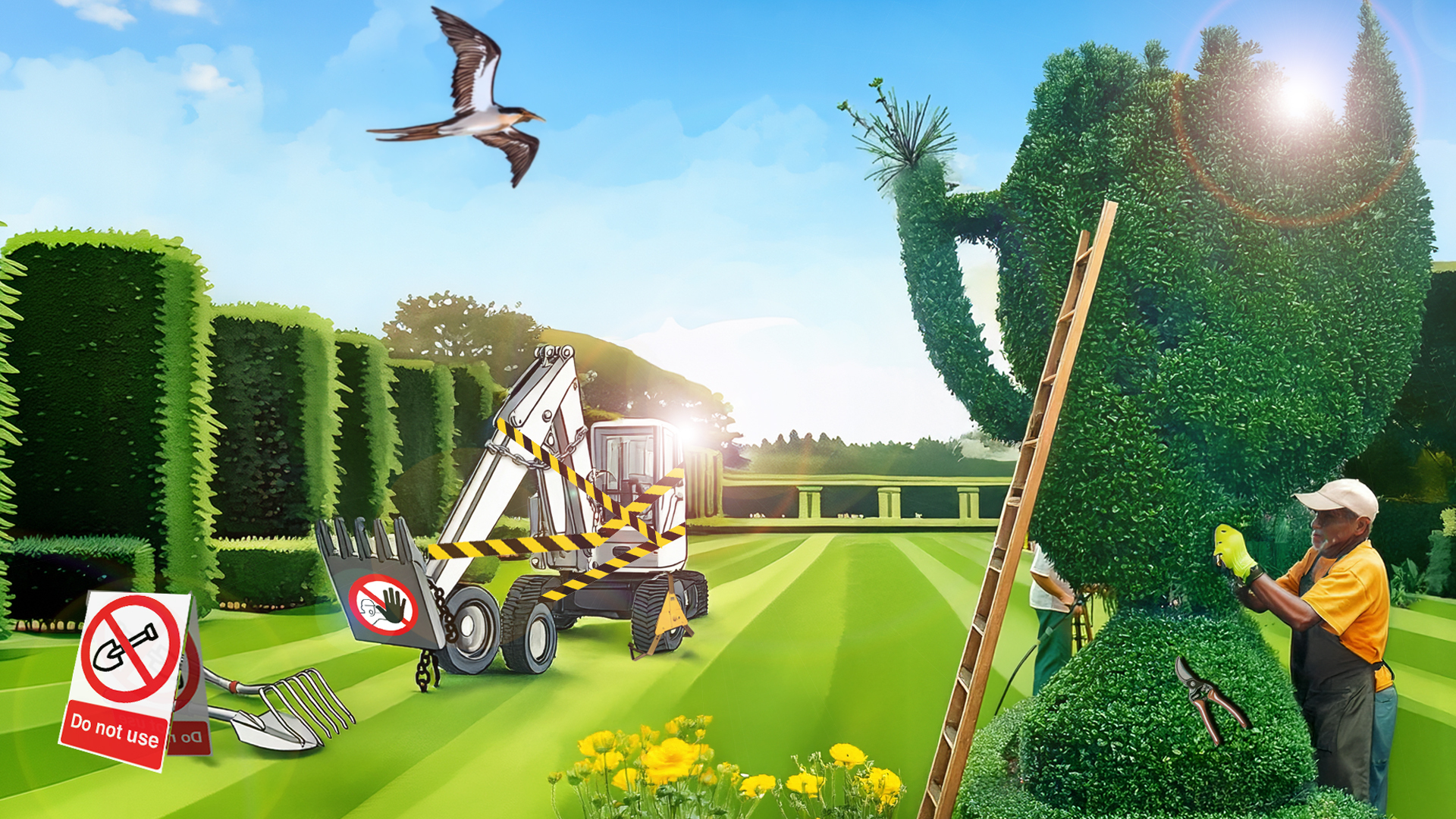
In gardening, the “no dig” approach avoids disrupting the soil. Instead of tearing everything up, you work with what’s already there, making targeted interventions that improve conditions and support growth.
"Understanding what's still strong, what's shifted, and what needs adjusting."
Your brand is no different. Repositioning doesn’t mean starting from scratch. It means understanding what’s still strong, what’s shifted, and what needs adjusting.
The most effective way to do that isn’t guesswork, it’s conversation.
Conversation
With your team. With your clients. Listening closely to how they see you, the challenges they face, and the value you bring. Reflecting that back often reveals what’s changed, what still resonates, and where new opportunities lie.
From there, you can sharpen your message with precision, keeping what works, evolving what doesn’t, and reconnecting your brand to where your business is now heading.
"To uncover the story that helps you move forward, and write the next chapter with clarity and confidence."
Think of it less as digging everything up, and more as pruning to encourage growth. And strengthening the soil so better results can follow.
Because the goal isn’t to start again from ground zero. It’s to uncover the story that helps you move forward, and write the next chapter with clarity and confidence.
5 signs you’re ready for no-dig brand repositioning
1 | Your pipeline has slowed
Nothing’s obviously broken. But leads have dipped, or the quality isn’t what it was.
What used to work just isn’t connecting in the same way.
2 | You’re attracting the wrong work
Enquiries come in, but they’re not a great fit. Or the work you really want isn’t showing up at all.
Your positioning isn’t guiding the right people towards you.
3 | You’re stretching to fit opportunities
Instead of the right work coming to you, you’re adapting yourself to what’s available.
The dreaded FOMO feeling creeps in and focus starts to blur.
4 | Your message doesn’t quite click anymore
So you tweak the website. Refresh the deck. Experiment with new angles.
But it all feels surface-level, like you’re circling the real issue without resolving it.
5 | You’re doing more marketing but seeing less impact
More content, more channels, more output but no real shift in results.
And that’s because the problem isn’t visibility, it’s clarity.
If this feels familiar, pushing harder won’t fix it. But a few well-placed adjustments will.


What do you think?